How are small businesses really using AI in 2026?
By Capital Growth Studio · Published · 6 min read
Most owners have tried it. Far fewer have built it into the work.
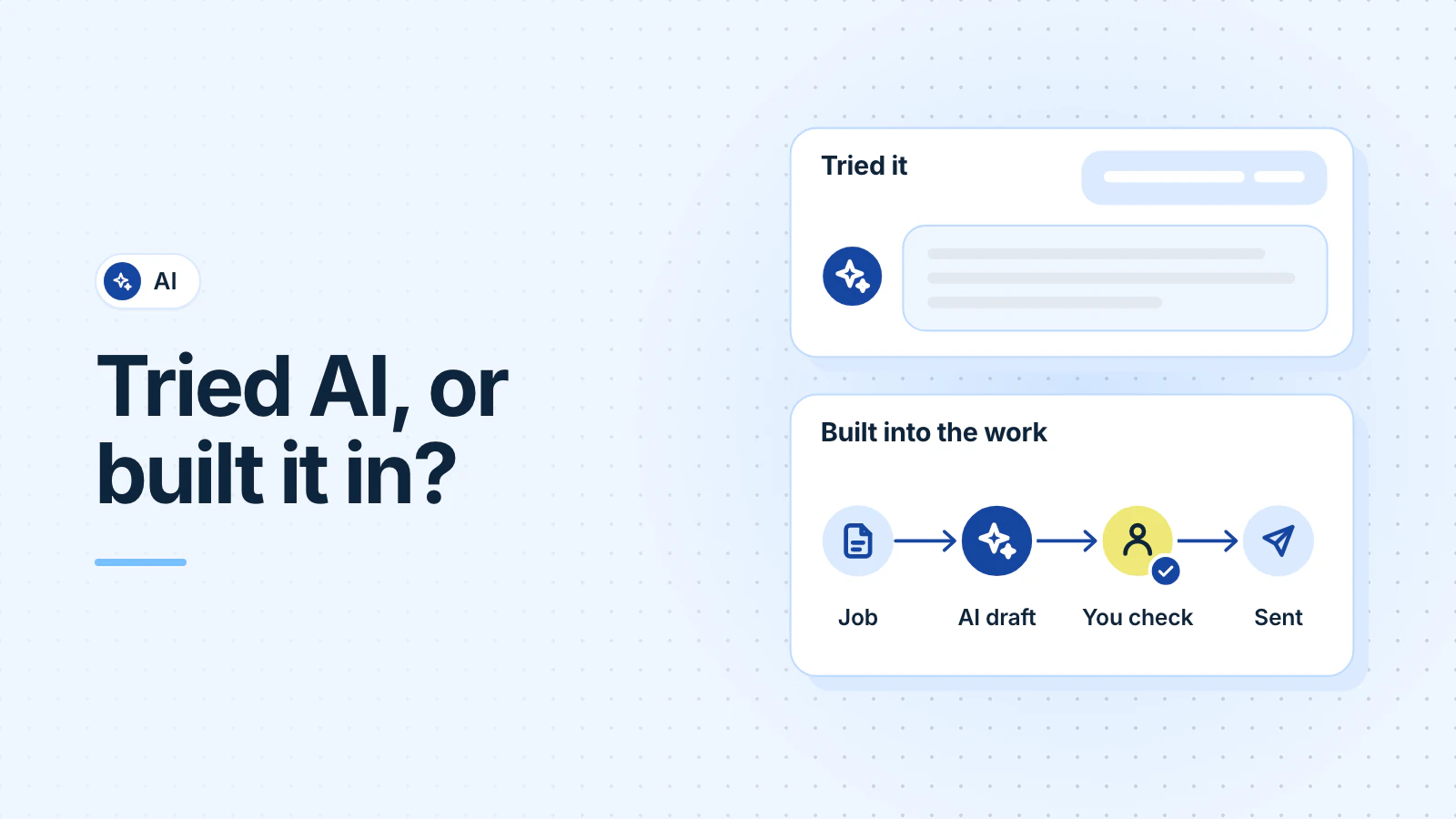
Most small businesses have tried AI, but few have built it into their daily work. Owner surveys put use at 66% to 77%. The Census Bureau, which asks about the last two weeks, finds 23.8% of employer businesses. Bank data shows 17.7% have ever paid for an AI service. Writing and marketing are the most common uses.
What share of small businesses use AI?
It depends on what counts as use. Here are the main figures, lowest first.
| Source | Share using AI | What counts as use |
|---|---|---|
| JPMorganChase Institute, April 2026 | 17.7% of small businesses, by December 2025 | Chase business customers that ever paid for an AI service. Free tools don't count. |
| Census Bureau, October 2026 | 23.8% of employer businesses, September 21 to October 4, 2026 | Used AI in any business function in the last two weeks. |
| Federal Reserve Banks, March 2026 | 46% of employer firms, fall 2025 | The business or any employee uses AI, including features in software it already has. |
| US Chamber of Commerce, October 2026 | 66% of small businesses, summer 2026 | Uses at least one of five types of AI tool at work, such as a chatbot. |
| Goldman Sachs 10,000 Small Businesses, March 2026 | 76%, early 2026 | "Currently using AI," among owners in Goldman's own business program. |
| Intuit QuickBooks (a vendor), May 2026 | 77% of US small and midsize businesses, January 2026 | Uses any AI tool daily, weekly or monthly, free or paid. |
Trades and health care sit lower in the hard data. In the latest Census figures, 17.2% of construction firms and 24.8% of health care and social assistance firms used AI (Census Bureau, October 2026). The Chamber's survey, which groups health businesses differently, puts them at 64% and 55% (US Chamber report, October 2026).
Why do the numbers disagree?
Each one asks a different question.
- Free or paid. In Intuit's survey, 77% of US businesses use AI regularly. But Intuit's payment data shows only 12% paid for a standalone AI subscription between 2021 and 2025 (Intuit AI Impact Report, May 2026). The Chamber found that 41% use free AI tools.
- A new Census question. In November 2025, the Census Bureau stopped asking about AI "in producing goods or services" and began asking about "any business function." The measured share doubled, to about 20% (Minneapolis Fed, May 2026). So older Census figures don't compare with new ones.
- Who answers. Goldman surveyed owners in its own program. The Fed and the Census Bureau count only businesses with employees. Intuit sells AI features, so its survey is a vendor's.
The bigger gap is between trying AI and relying on it. About half of the Fed's AI users were still experimenting, and only 7% had fully integrated it (Federal Reserve Banks). In Goldman's survey, only 14% said AI is fully embedded in their core operations. Most owners have tried a chatbot. Few have built AI into the work.
What do owners use AI for most?
Writing comes first. Among the Fed's AI users, 83% used it for writing or marketing, 61% for individual productivity and 51% for planning or analysis. The Chamber's AI users put marketing first too, at 41%.
Owners' own posts show the same jobs:
- Lookup on the job. An electrician wrote: "Using it to identify parts and pull up manuals is great." (Reddit r/electricians, February 2026)
- Bookkeeping. A small business owner says AI is now decent at sorting transactions into categories, the slow part of the books (Reddit r/smallbusiness, August 2026).
- Quote follow-up. A home cleaning company automates quote follow-ups and estimate-call summaries. The owner says misunderstandings about quotes nearly stopped (Reddit r/Entrepreneur, October 2026).
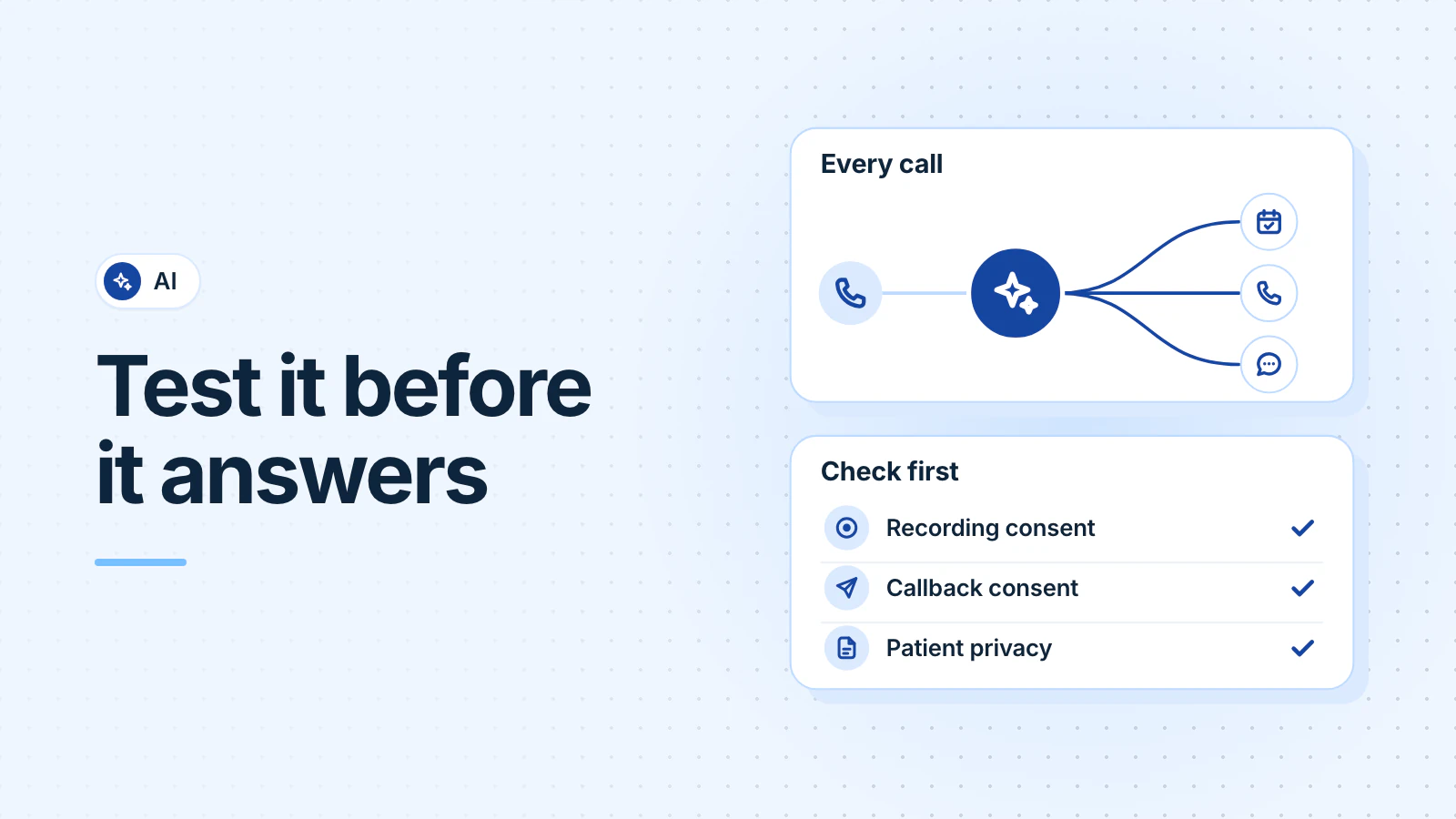
- Phones. In public Facebook groups, some HVAC and med spa owners say an AI receptionist books calls after hours. Others report problems, or dropped theirs. Our guide to AI receptionists covers what to test.
Where do owners get stuck?
Getting from a trial to daily use. Goldman's owners named a lack of technical expertise, trouble choosing tools and data privacy concerns. Of them, 73% said more training and resources would help. The Fed's AI users named accuracy (46%) and adapting tools to their business (43%) as their top problems.
Accuracy comes up most in owner posts. The electrician above estimates ChatGPT is right about 90% of the time, and warns that being wrong can be costly and dangerous. A construction office worker who uses Claude for emails and spec reviews wrote: "Anything made by ai is verified and gone through with a comb." (Reddit r/Construction, August 2026) In the posts we read, the uses that last have a person who checks the result.
How do three businesses use AI, and what do they check?
Oak Creek Plumbing & Remodeling, Milwaukee area (news report). The company's roughly 20 plumbers carry tablets with ChatGPT. They use it to create invoices and work proposals, and to brainstorm hard problems: a plumber photographs a broken water heater, or types what they see, and gets a list of recommendations. President Dan Callies told CNN, "It's definitely been worth the investment" (CNN, October 2025). What they check: the report doesn't say. If you try this, have the tech confirm each suggestion against the manufacturer's instructions.
Moss Building & Design, Chantilly and Vienna, Virginia (trade press and the company's blog). In 2026 the remodeler launched Natalie, an AI research tool built on more than 7,000 of its completed DC-area projects (Kitchen & Bath Business, April 2026). Homeowners can ask questions such as "What would a 3-story addition cost in Arlington?" (Moss blog, March 2026). What a person handles: Moss calls Natalie "step zero." Homeowners who want to go further can book a consultation with a project developer, its CEO said on a remodeling podcast (Remodelers On The Rise, June 2026).
A made-up example: a med spa in Arlington. The owner uses ChatGPT to draft aftercare reminder texts and Instagram captions from the spa's own treatment sheets. Client names, photos and health details never go in. What they check: the nurse injector reads each aftercare text against the provider's written instructions before it becomes a template. The owner checks each promotion for claims the spa can't back up.
Where should you start?
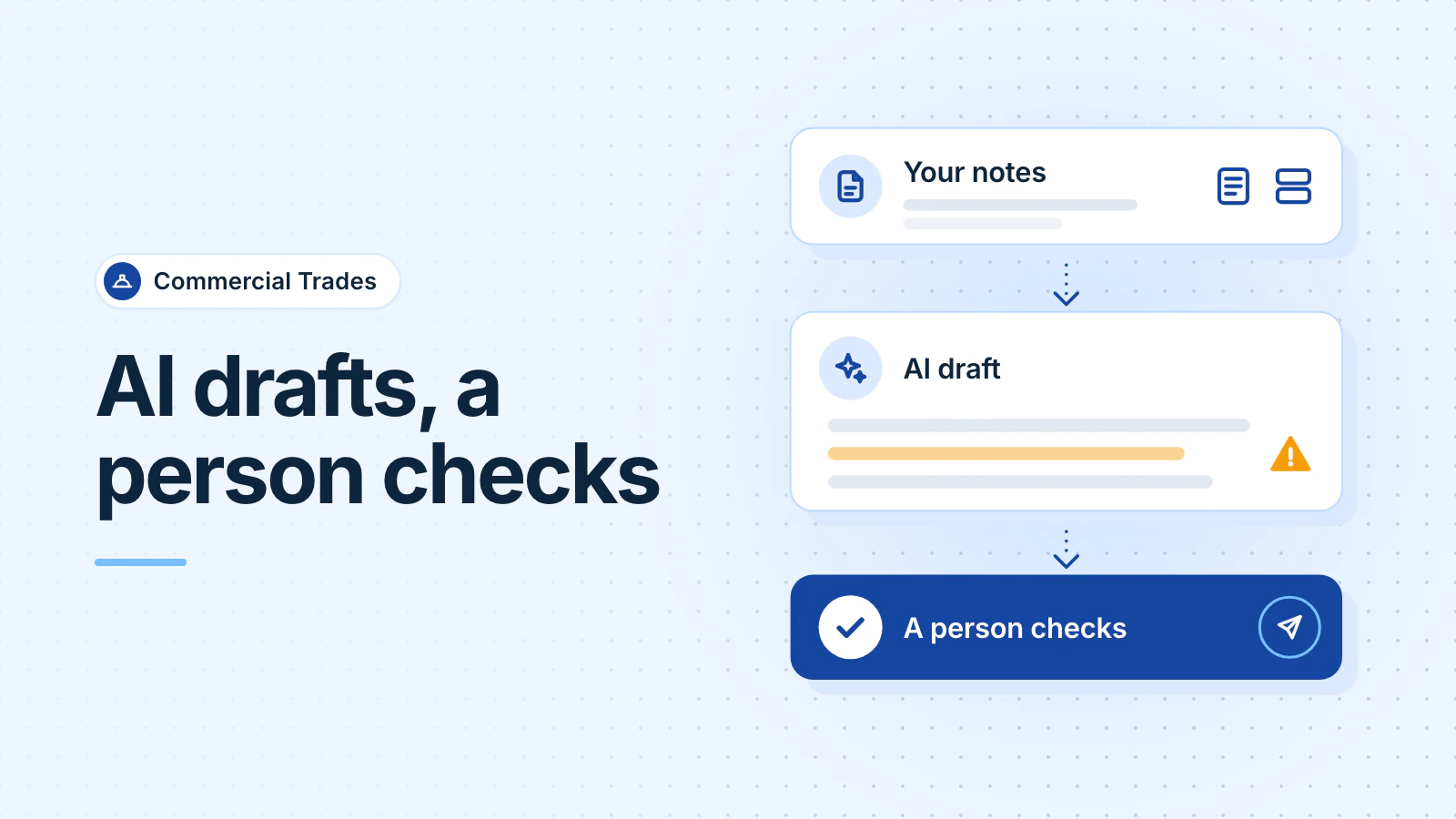
Pick one job you do every week, such as a quote follow-up. Give it to a chatbot, and name the person who checks the result before it goes out. Keep customer and patient details out until you know how your plan handles data. Our first-week plan for ChatGPT and Claude walks through it, and trade offices can see what AI can do with paperwork.
Frequently asked questions
What percentage of small businesses use AI in 2026?
It depends on the measure. In early October 2026, 23.8% of US employer businesses told the Census Bureau they had used AI in the last two weeks. Owner surveys put it at 66% to 77%. Most of them count any use, including free chatbots.
Is AI replacing staff at small businesses?
Not so far. In Census survey data, the Minneapolis Fed found that roughly 96% of companies using AI reported no change in employment. In Goldman Sachs's survey, 87% of owners said AI augments rather than replaces employees.
Updated .