Is an AI receptionist worth it for a small service business?
By Capital Growth Studio · Published · 6 min read
Test it on your own calls first. Then check the recording, callback and patient privacy rules.
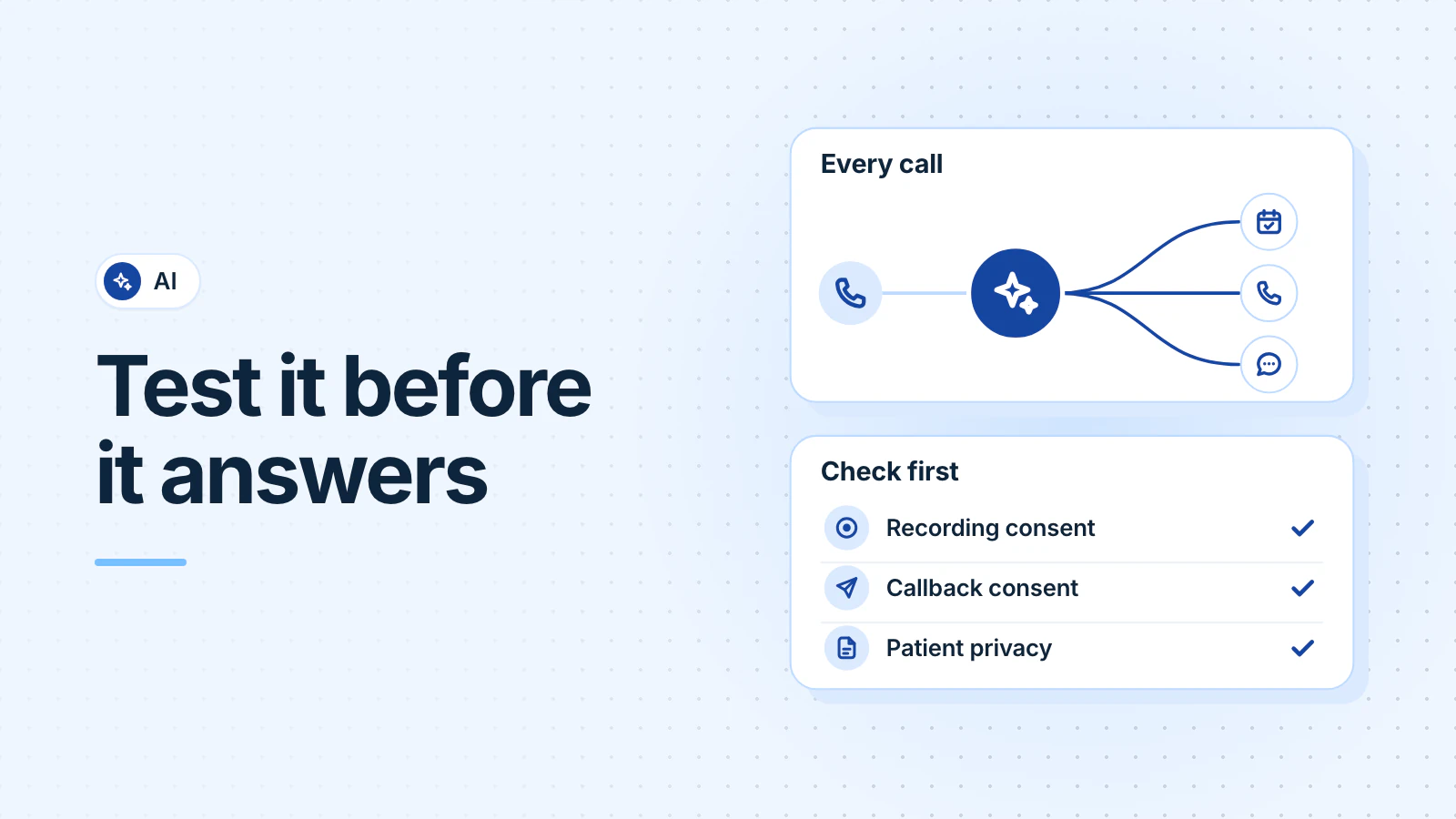
An AI receptionist is worth it if it answers the calls you now miss, books or routes them correctly, and follows the rules for your state and trade. Test it on real calls before you sign. In Maryland, recording a call generally needs the consent of everyone on it. A medical office covered by HIPAA also needs a business associate agreement with the vendor.
We don't sell AI receptionists, so this guide names no vendors.
What does an AI receptionist do?
It's software that answers your business phone with a computer-generated voice. It can answer common questions, take a message, book an appointment, send a text or transfer the call to a person, depending on the product. Many record and transcribe every call. An answering service is different: live people take your calls.
How do you know if it's worth it?
Start with the calls you miss now. Your phone system's call log shows them by day and hour. Then work out what those calls are worth: how many become jobs or new patients, and what each one earns. An AI receptionist pays off when the calls it saves earn more than it costs, after you count wrong bookings and callers who hang up on it.
What should you test before you buy?
- Call it with your ten most common questions, in your customers' words. Add an emergency, a price question and a caller who is upset or hard to hear.
- Check what it promises. It shouldn't invent prices, arrival times or advice.
- Test the handoff. Ask for a person and time how long it takes to reach one, during and after hours.
- Read the transcripts, and check each booking it made for the right service, address and time.
- Ask where recordings and transcripts are kept, for how long, who sees them, and whether they train the vendor's AI. Ask how to export your data if you leave.
- Run it on real calls for a few weeks before you sign a long contract.
Can an AI receptionist record calls in Maryland?
Generally, only with everyone's consent. Maryland allows a party to a call to record it "where all of the parties to the communication have given prior consent" (Md. Code, Cts. & Jud. Proc. § 10-402(c)(3), checked October 2026). Unlawful interception is a felony, with up to 5 years in prison, a $10,000 fine, or both (§ 10-402(b)).
Virginia and DC need only one party's consent. Virginia allows it when a person "is a party to the communication or one of the parties to the communication has given prior consent" (Va. Code § 19.2-62(B)(2)). DC has a similar rule, unless the recording is made to commit a criminal, tortious or other injurious act (D.C. Code § 23-542(b)(3)).
A business in Rockville, Arlington or the District takes calls from all three. So play a short recording notice at the start of every call, and ask a lawyer to approve the wording. This is general information, not legal advice.
Can an AI receptionist call customers back?
Only with the right consent. In February 2024, the FCC ruled that AI-generated voices count as an "artificial or prerecorded voice" under the Telephone Consumer Protection Act. So calls that use them "require the prior express consent of the called party," unless there's an emergency purpose or an exemption. Calls that advertise or telemarket need prior express written consent (FCC 24-17, February 2024).
The ruling covers calls you make, not calls you answer. So ask the vendor which calls the AI places, such as callbacks, reminders or follow-ups on quotes. Check that you have consent for each one.
Does it change what you pay for Local Services Ads?
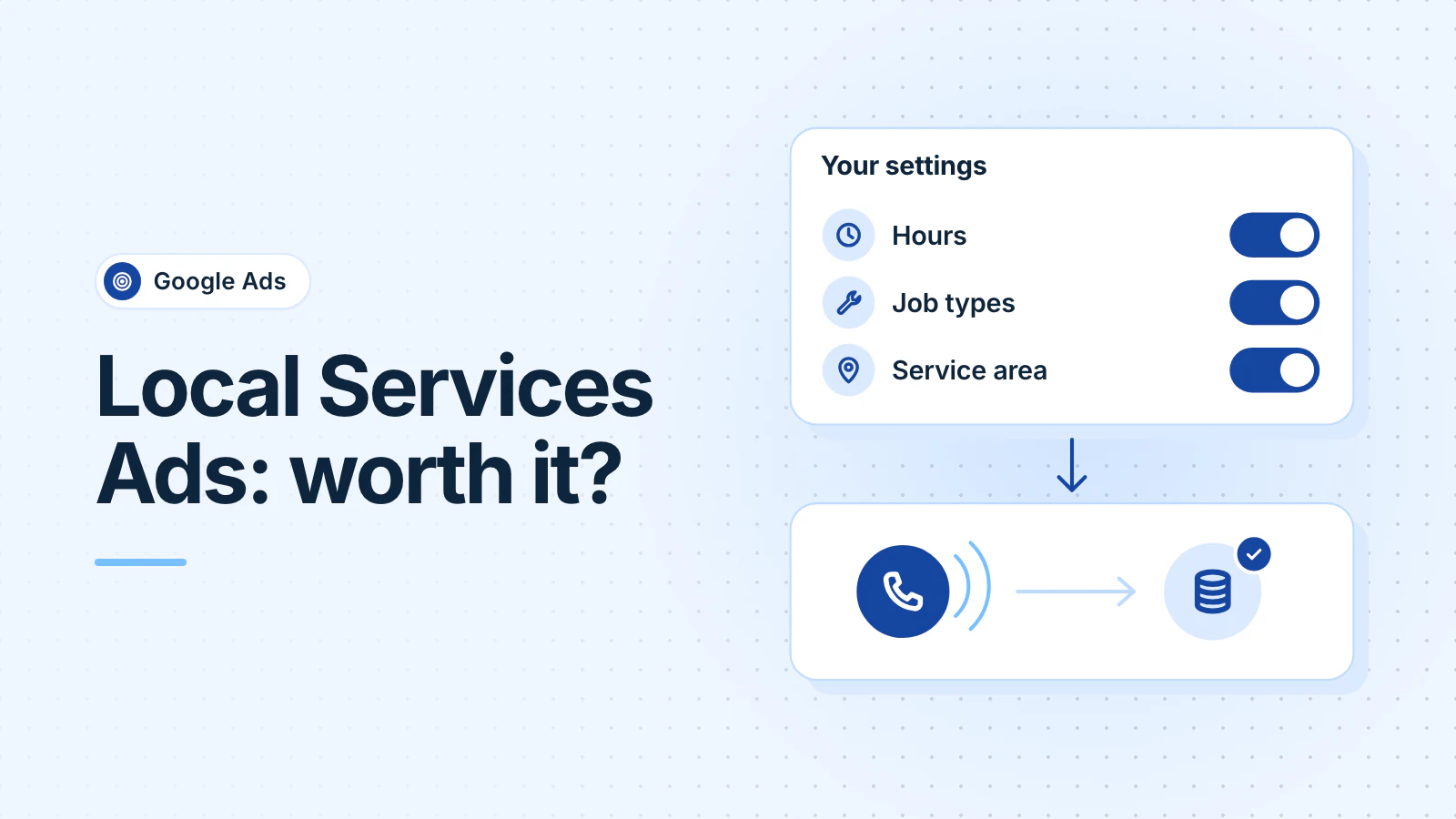
It can. Google says a call that goes to "an automated greeting during your business hours" is "treated as a connected call and is charged if the caller stays on the line for more than 20 seconds" (Google Local Services Help, October 2026). So a call your AI answers can cost the same as a call you answer.
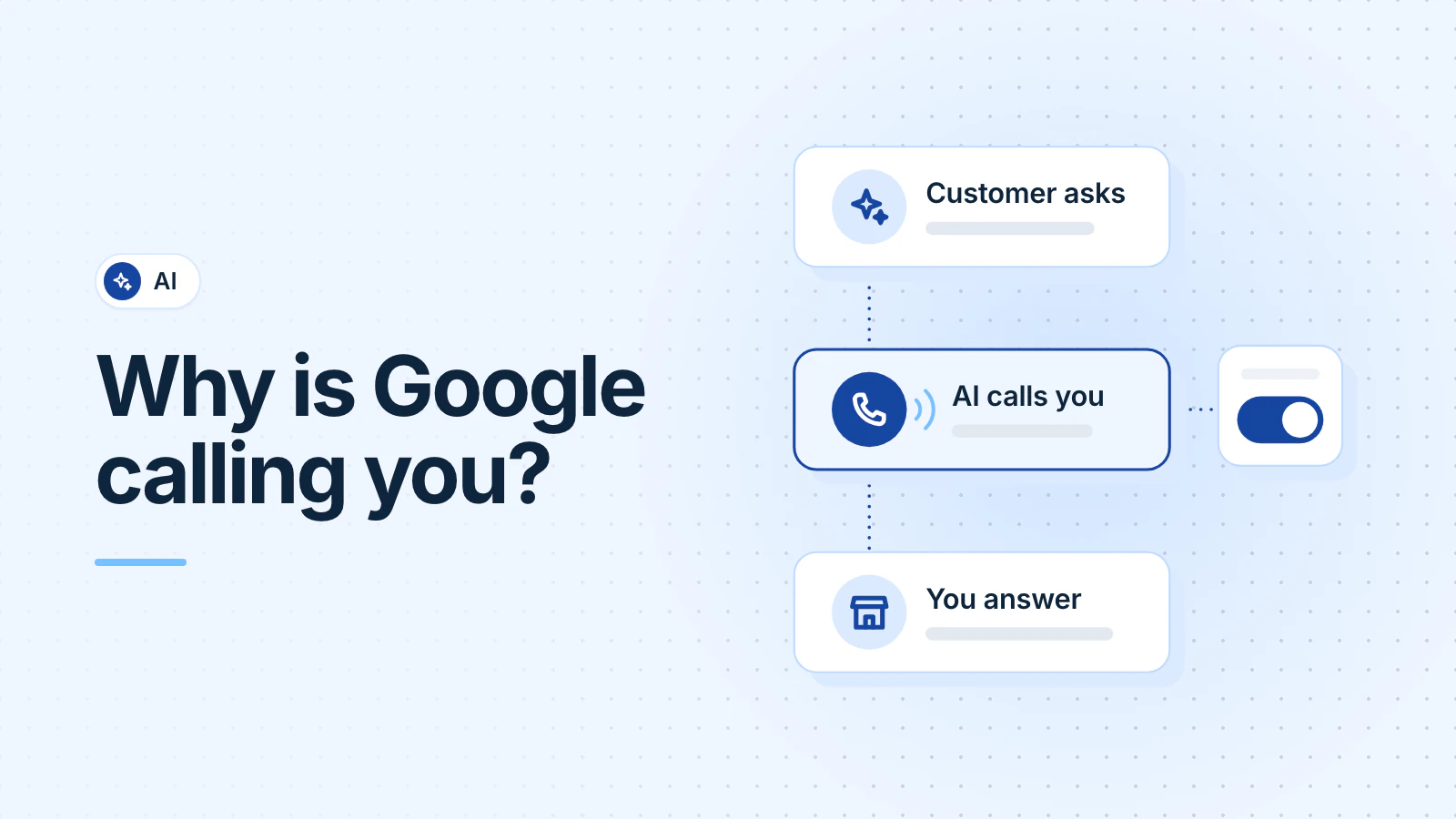
Google charges for unanswered calls only within the business hours set in your Google Business Profile. Our Local Services Ads guide has more. If Google's own AI calls you, your receptionist answers that call too: see why Google calls businesses.
What should HVAC and plumbing companies check?
- Gas smells first. Washington Gas tells customers: "If you smell gas, leave the area immediately and call 911 or the Washington Gas emergency line" (Washington Gas, October 2026). The AI should give your gas utility's advice before anything else, not book a visit.
- Urgent calls to a person. No heat or no cooling with a baby, an older person or someone ill at home should reach your on-call tech, not a message box.
- No quotes or diagnoses. Don't let it price a repair, guess at a fault or promise an arrival time.
- The right details. It should collect the address, ZIP code, equipment and problem, and book into your schedule.
- Your service area. Give it your ZIP codes, so it turns away jobs you won't drive to.
See how we help HVAC and home service companies get more calls.
What should medical offices and med spas check?
HIPAA covers providers "who submit HIPAA transactions, like claims, electronically" (CMS). If that's you, a vendor that handles patient information for you is a business associate, and you need a business associate agreement (BAA) with it. One of HHS's examples is a third-party AI chatbot on a patient portal that uses patient information for tasks such as "appointment scheduling" (HHS, checked October 2026). A vendor that stores your patients' data is one too, even if the data is encrypted (HHS cloud guidance).
- Get a signed BAA before the AI takes a patient call. If a vendor won't sign one, don't use it for patient calls.
- Keep it out of medical advice. It should tell anyone with an emergency to hang up and call 911, and pass clinical questions to staff.
- Check where call summaries go. Patient details sent by text or email to staff phones need the same care as your records.
A cash-only med spa may not be a covered provider, but it still hears private health details. Ask your compliance adviser which rules apply.
Frequently asked questions
My office is in Virginia. Do Maryland's recording rules matter?
They can. Your callers may be in Maryland even when you're not, and which state's law applies to a call across state lines is a question for a lawyer. A short recording notice at the start of every call is the simple choice. This is general information, not legal advice.
What if a caller asks for a person?
Let them reach one. Set a simple phrase, such as "talk to someone," that transfers the call or books a callback from your staff. Test it during and after hours. A caller who feels stuck with a machine may call someone else.
Updated .