How do HVAC companies get commercial contracts? Commercial HVAC Contracts Guide for DC, Maryland and Virginia
By Capital Growth Studio · Published · 5 min read
This article explains how HVAC companies win commercial contracts in DC, Maryland and Virginia. It also shows the proof that each type of buyer asks for.
A vendor list names the approved service providers of a property or facility owner. These providers receive work orders. A bid list names the trade contractors that a general contractor has prequalified, or checked in advance. The general contractor invites them to price projects.
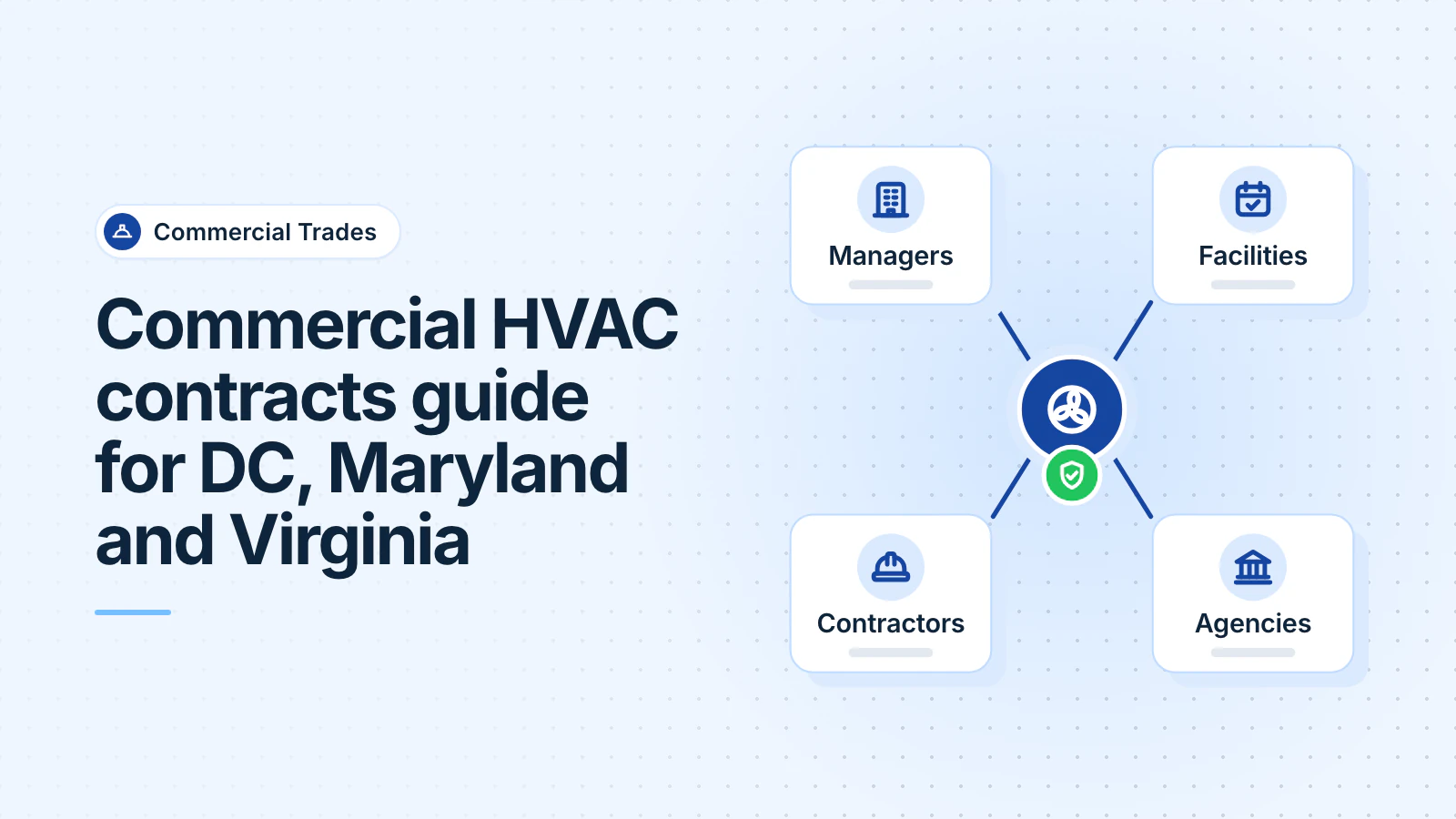
HVAC companies win commercial work in DC, Maryland and Virginia from four main buyers. They are property managers, facility teams, general contractors and public agencies. Property managers and facility platforms check your insurance and licenses first.
Laws change, so check the current rules before you act (links at the end of this article).
Want help with winning commercial work? Apply for a free consultation
Which buyers give commercial HVAC work?
- Property managers. Vendor list approval alone does not send work. The NRP Group, a national manager, says "in most cases, new vendors are chosen directly by the properties." So also contact each property directly.
- Facility teams. As of 2026, ServiceChannel, a facility management platform, awards preventive maintenance programs through requests for proposal.
- General contractors. As of October 2026, DAVIS Construction and Clark Construction prequalify trade contractors before they invite bids. Our guide to the subcontractor prequalification packet covers what they ask for.
- Public agencies. As of October 2026, Virginia's eVA lists bids from all state agencies and many local governments. In Maryland, the state, local governments and schools "use eMMA to publish solicitations." In DC, the Office of Contracting and Procurement sends notices of open solicitations through its eSourcing system. The DC Department of General Services (DGS) posts its own bids on OpenGov.
What does each buyer check?
Each buyer sets its own requirements. These examples are from October 2026:
- Insurance. FirstService Residential Maryland uses Business Credentialing Services, which charges vendors $95 a year to verify insurance and licensing. Its top level asks for a certificate of insurance (COI). That COI names "FirstService Residential and any of its managed Associations" as additional insured.
- Licenses and records. RealPage Vendor Credentialing checks the COI and its limits. It also checks trade licenses "as required by state" and a W-9 tax form.
- Capacity and past work. The lowest bid does not always win a ServiceChannel maintenance program. ServiceChannel weighs "coverage, capacity, ramp up time, KPI data and past working experience."
Which licenses will commercial customers ask for?
As of October 2026, the licensing boards describe their rules this way:
| Where | Licensing board | What the board says |
|---|---|---|
| Virginia | DPOR Board for Contractors | The board licenses businesses. The class (A, B or C) sets the value of contracts. The specialty sets the type of work. |
| Maryland | Board of HVACR Contractors | The board "licenses and regulates individuals who provide commercial and residential HVACR services." |
| DC | DLCP Board of Industrial Trades | A refrigeration and air conditioning contractor license needs a designated DC-licensed master. It also needs surety bonds for the company and the master. |
How do you show proof of your work?
A project record shows your past work in four parts:
- A project list. One list sorted by market, with scope and photos, within the limits of your non-disclosure agreements.
- Project sheets. One-page sheets (PDF) for bids and vendor applications.
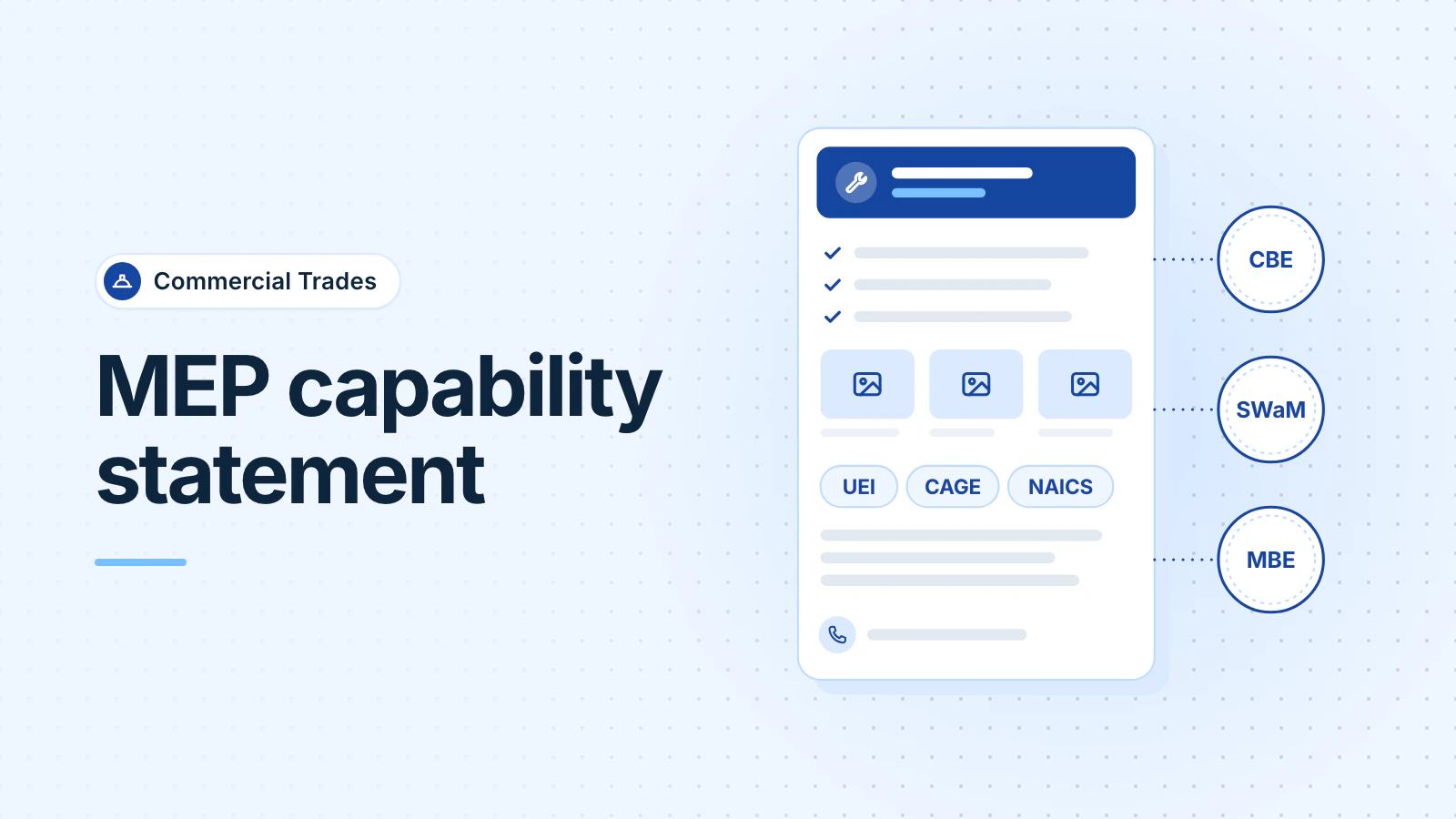
- A capability statement. A short summary of your firm for public work. Our guide to MEP capability statements shows what goes in it.
- A facts page. Your licenses for each jurisdiction, your insurance and your safety program.
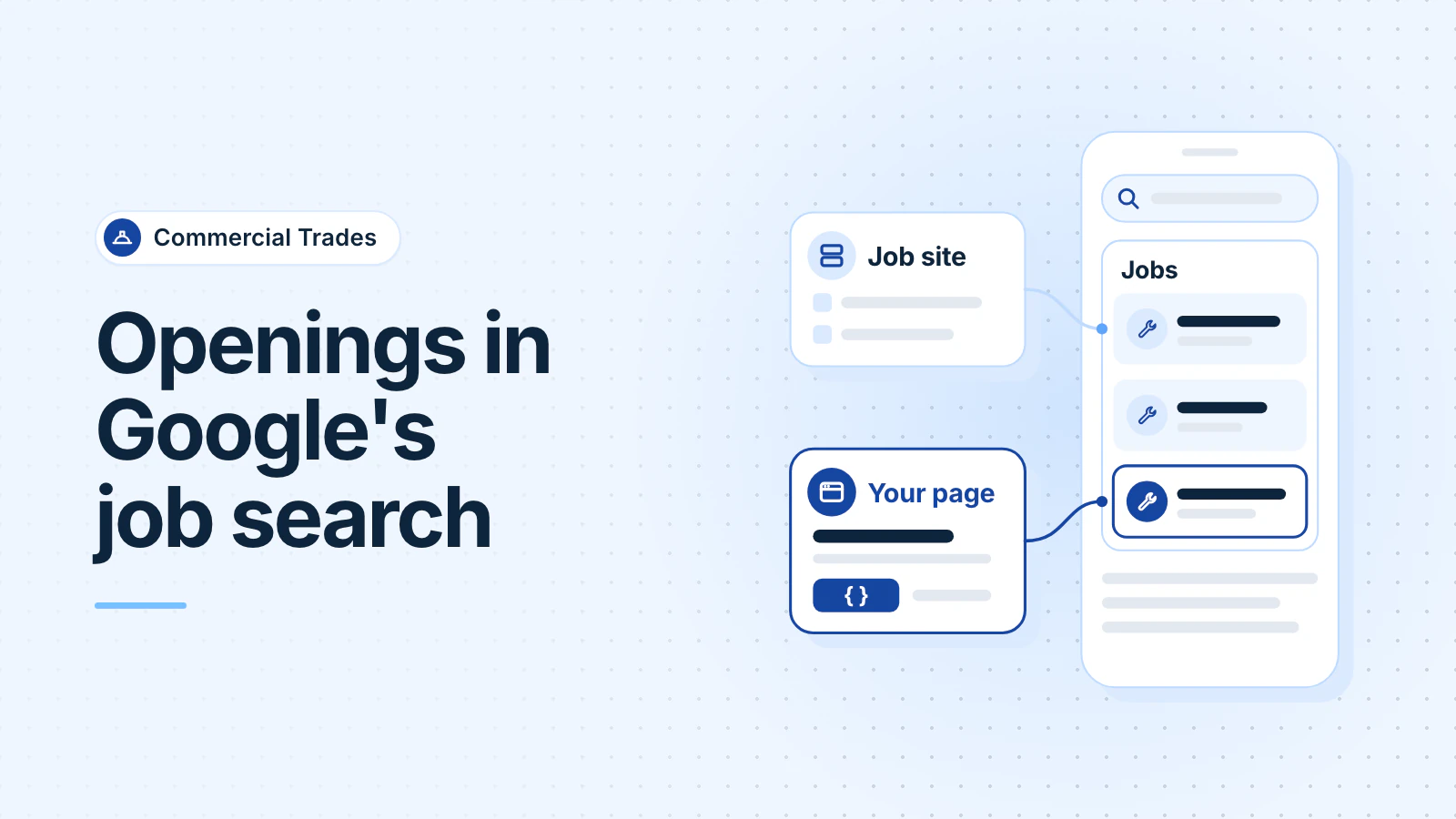
Capacity also counts. To add technicians, read our guide to job openings on Google.
Where can you check the current rules?
Laws and regulations change, and amendments, court decisions or agency guidance can change how a rule applies. We checked the sources in this article on October 20, 2026. Before you act, read the current official text for each place where you work:
- Maryland: Maryland Board of HVACR Contractors and eMaryland Marketplace Advantage (eMMA)
- Virginia: DPOR Board for Contractors and eVA
- District of Columbia: DLCP Board of Industrial Trades and Office of Contracting and Procurement
If your business works in any other state, we strongly recommend that you check that state's current law and its latest amendments, because they may change how these rules apply to you.
Capital Growth Studio is not a law firm. This article is general information, not legal advice. For advice on your situation, speak with a licensed attorney.
Frequently asked questions
Do I need a different insurance certificate for each property manager?
Often, yes. Each manager or platform sets its own holder wording and limits. Ask each customer for its sample certificate, and send it to your insurance agent.
Is it free to register for public bids in DC, Maryland and Virginia?
As of October 2026, vendor registration is free on eVA, eMMA and the DC DGS OpenGov portal. Bonds, insurance and certifications that a solicitation requires can still cost money.
Updated .
Sources: FirstService Residential Maryland; RealPage Vendor Credentialing; NRP Group; ServiceChannel, 2026 Guide for Success; DAVIS Construction; Clark Construction; DC DGS active solicitations; DC DLCP trade contractor license. The links for eVA, eMMA, OCP and the licensing boards are in the rules section above.